Plug-in hybrid
electric vehicles

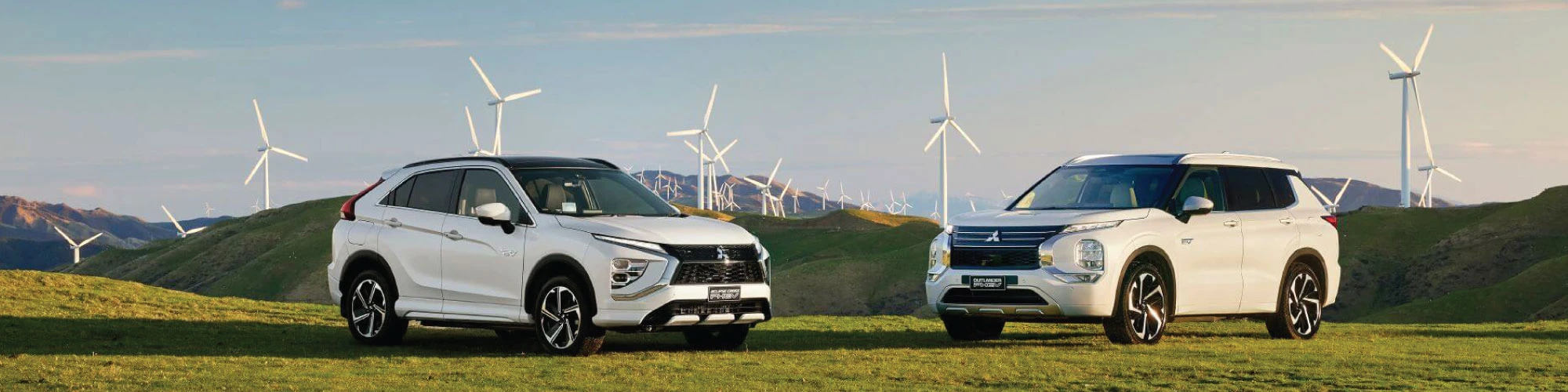
Plug-in hybrid electric vehicles (PHEV) have revolutionised the automotive industry – and Mitusbishi has been at the forefront of this exciting technology right from its inception. PHEVs are economical to run, produce a low level of emissions, and seamlessly fit into your lifestyle… all while never compromising on their driving experience.

PHEVs take all the advantages of an electric vehicle (EV) and combine them with the strengths of a traditional combustion engine to create a vehicle that is greater than the sum of its parts. Full EV vehicles are purely run off battery power, often resulting in a limited driving range before needing to be recharged. PHEVs provide fuel-free freedom through their full electric mode while still being able to run its combustion engine in parallel to tap into more power, charge its battery, and travel greater distances.

When it comes to future proofing your life on the road, there’s no faulting the technology that drives PHEVs.

Mitsubishi has long led the industry in evolving and innovating the electric technology in their vehicles, and Simon Lucas Mitsubishi has been providing these services and expertise to all of Auckland. Mitsubishi’s latest PHEV offerings are the pinnacle of this incredible technology in their class.
Tile

PHEV Vehicles – Our Range

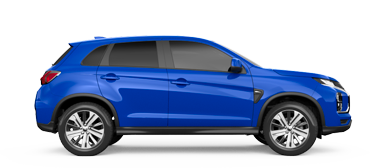
ASX

Mitsubishi
ASX

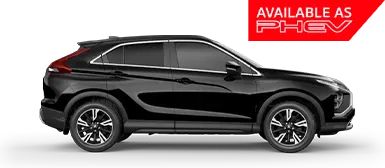
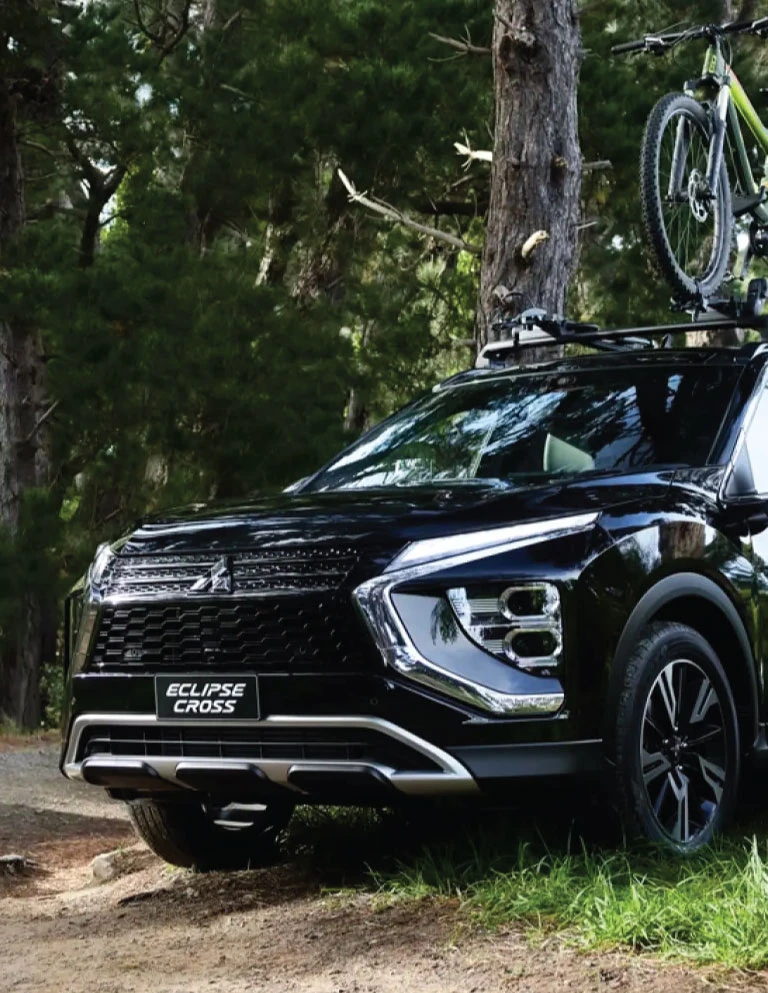
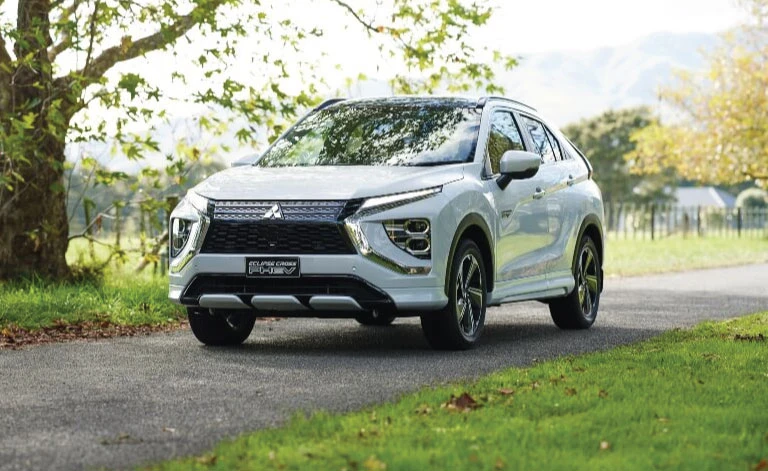
Eclipse Cross

Mitsubishi
Eclipse Cross

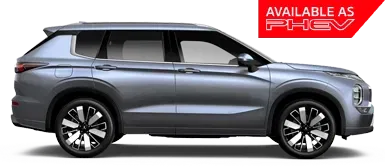
Outlander

Mitsubishi
Outlander

Pajero Sport

Mitsubishi
Pajero Sport

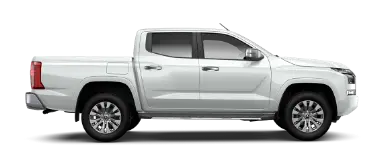
Triton

Mitsubishi
Triton

Need help deciding?

Talk to Us
Tile

EMISSIONS

New Zealand is striving for a carbon footprint of net zero by 2050, and with a third of our carbon emissions coming from light vehicles, lower emission vehicles are going to play an important role in this.

The Outlander PHEV and 2024 Mitsubishi Eclipse Cross PHEV are designed to produce extremely low emissions when compared to combustion engines.

Mitsubishi PHEVs allow you to be part of the solution without ever having to compromise on performance.

   
Tile

CHARGING

Keeping your battery charged and ready for action is easy and convenient.

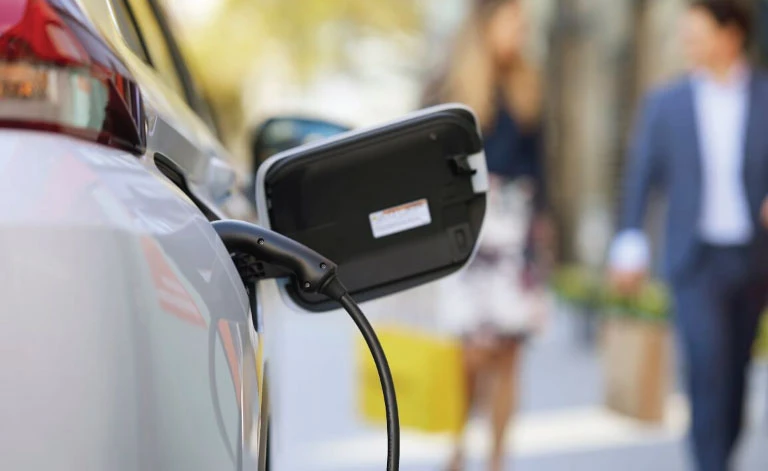
Mitsubishi’s PHEVs vehicles can be charged from a standard NZ household power outlet. This means it’s just a matter of plugging in your PHEV at night allowing it to be fully charged and ready to take on the next day.

For those times where time is an issue, the Mitsubishi PHEV range can take advantage of fast charge stations, providing an 80% charge in 20-25 minutes.

Serious Technology

When most people first hear about the incredible electric vehicle technology that powers Mitsubishi’s range of PHEVs, they find it hard to believe. The truth is, our PHEV technology is so advanced when compared to its combustion engine counterparts it’s almost comical. You’re bound to have heard these common doubts and concerns, so we decided to address them in this entertaining and informative video.


Mitsubishi Diamond
Advantage Warranty

Both the Outlander PHEV and 2024 Mitsubishi Eclipse Cross PHEV are covered by the unbeatable Mitsubishi Diamond Advantage 5/10 Year Warranty. This is New Zealand’s best new car warranty and is backed up by Simon Lucas’s award-winning customer care.

Find out more about Mitsubishi Diamond Advantage 5/10 Year Warranty

Tile

FAQs

What is a PHEV?

A PHEV is a plug-in hybrid electric vehicle. They combine the use of electric motors, powered by a lithium-ion battery, with a traditional combustion engine.

This allows them to run solely off their battery and electric motors for day-to-day use, but can use the combustion engine in instances where additional power is required or for extended trips. The battery is recharged by plugging the car into a power socket either at home or at a fast charge station. The battery can also reclaim power when the combustion engine is running and when the car is braking.

What is the Difference between PHEVs and Hybrid Cars?

While both types of vehicles have both a battery and a combustion engine, their predominant source of power output is mirrored. For a classic hybrid car, the vast majority of the power generated is from the combustion engine, with the battery assisting in order to make them more fuel efficient. Because of this, they have smaller batteries that do not require charging, but offer less fuel economy and no fully electric mode. The PHEV predominantly relies on its electric motors for power with the combustion engine providing additional support. This is why the PHEV requires recharging and is capable of full electric mode for day-to-day driving unlike a traditional hybrid.

What is the Difference Between a PHEV and an EV (Electric Vehicle)?

While both PHEVs and Evs need to be plugged in to be charged, there is a distinct difference – EVs do not have any combustion engine while PHEVs do. This means that EVs can be limited by their overall range that they can drive. This is in contrast to a PHEV, that while capable of driving in electric vehicle mode provides fuel free driving, it can also rely on combining its electric powered motors with its combustion engine to significantly extend its driving range.

What is the EV Range of Mitsubishi’s PHEV Offerings?

The Mitsubishi Outlander has an EV range of up to 84km, while the 2024 Mitsubishi Eclipse Cross PHEV has an EV range of up to 55km. To put that in perspective, the average daily commute in New Zealand is less than 35km, meaning both vehicles have more than enough range for the majority of Kiwis to rely solely on their battery. Please note that actual on-road fuel consumption, emissions and range will vary depending on traffic and road conditions, vehicle load, and the individuals’ driving styles.

What is the Combined Range of Mitsubishi’s PHEV Offerings?

By running the petrol engine in parallel with the electric motors, the Mitsubishi Outlander PHEV provides a combined range of 800km with a fuel economy of 1.6L/100km, while the Mitsubishi Eclipse Cross PHEV’s combined range is 660km with a fuel economy of 2.1L/100km.

How much Does it Cost to Charge a PHEV?

The cost to charge a PHEV is dependent on the size of the battery and whether you are charging it at home or at a fast charge station. For instance, the Mitsubishi Eclipse Cross PHEV has a 13.8kWh battery and would take approximately 7 hours to fully charge from a standard power outlet in a New Zealand home. The cost to do this would be $3.45 if your electricity cost is 25c/kWh. Fast Charging is usually about 25c per minute, and it takes 25 minutes to charge an Eclipse Cross PHEV to 80%, meaning it’s likely to cost approximately $6 to $7.

How much do I need to pay to pre-order the Mitsubishi Outlander PHEV?

If it’s not already in stock, to secure your Mitsubishi Outlander PHEV at Simon Lucas Mitsubishi, all it takes is an initial down payment of $1,000 and an additional 20% once the order is confirmed with Mitsubishi Motors NZ.